
Discover Indonesia's wild frontier
Discover the hidden treasures of Indonesia with our exclusive itineraries. Journey to the pristine beauty of Papua, the breathtaking marine diversity of Raja Ampat, the historical allure of the Spice Islands, the unspoiled paradise of Alor, and the world-renowned Komodo National Park.
Venture into lesser-explored realms with our unique destinations
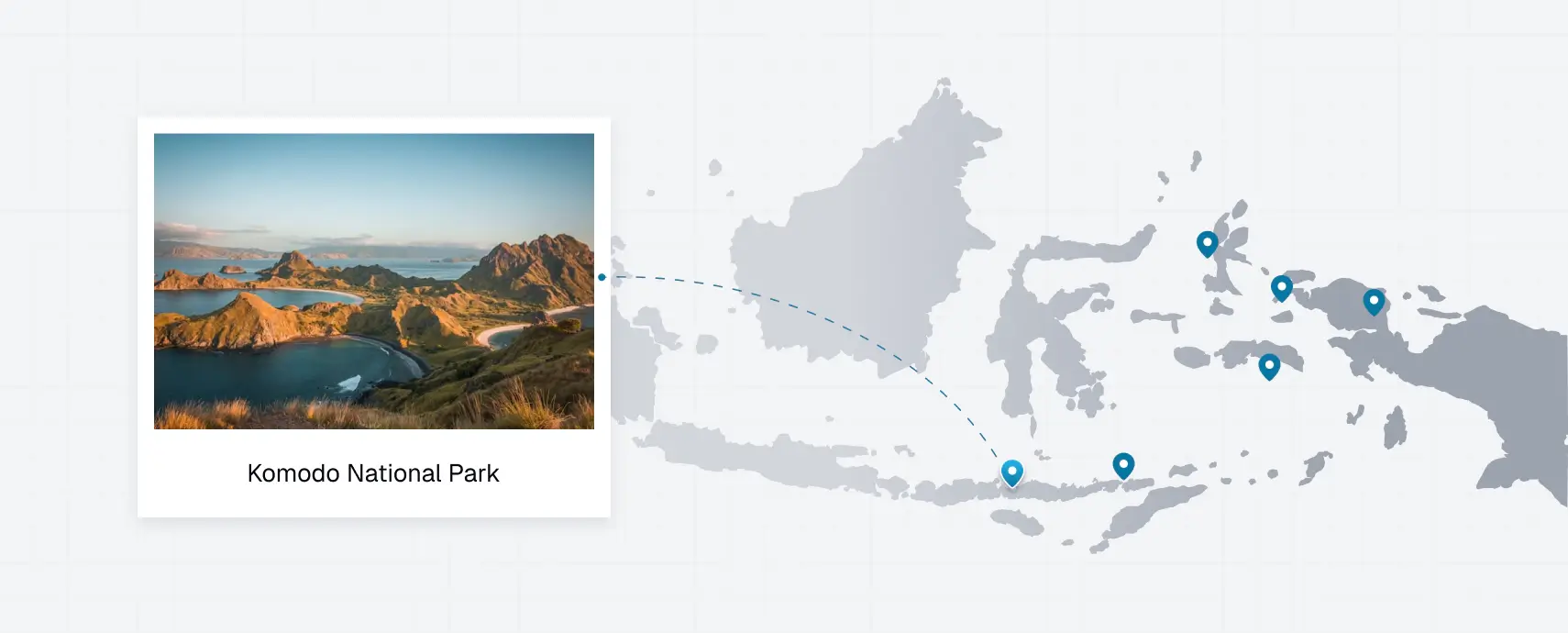
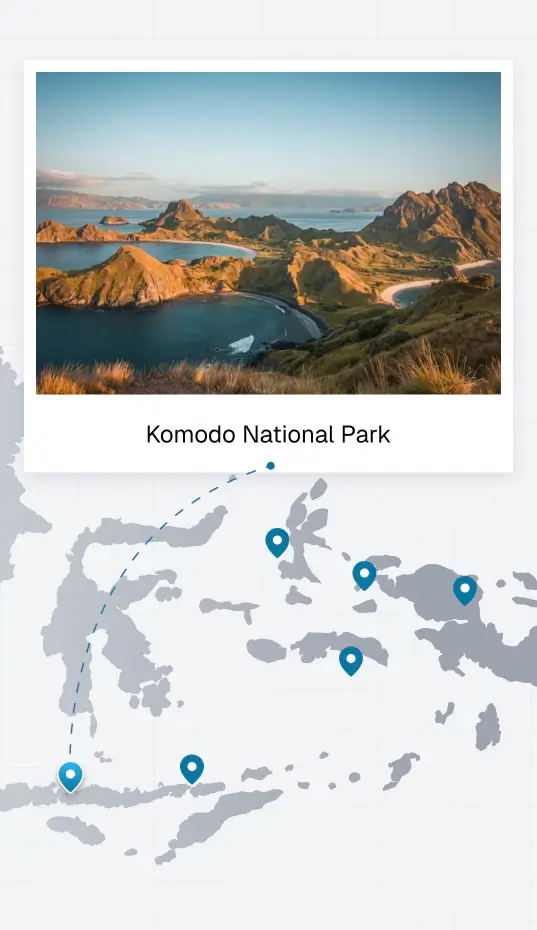
Komodo National Park: A Premier Sailing Destination
Komodo National Park, a UNESCO World Heritage site, is a sailing paradise located in the heart of the Indonesian archipelago. Known for its diverse wildlife, stunning landscapes, and vibrant marine life, the park offers an unparalleled sailing experience that combines adventure, relaxation, and natural beauty.
Unique wildlife
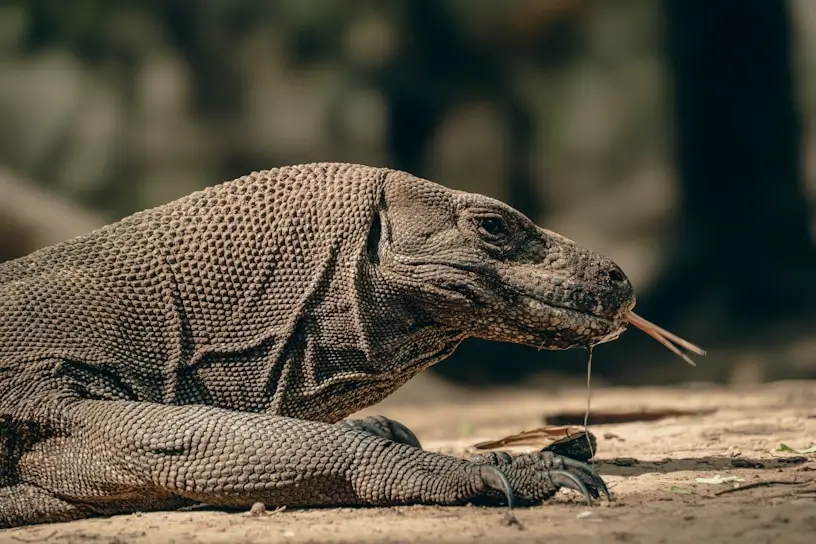
Komodo Dragons: The park is world-famous for its resident Komodo dragons, the largest lizards on Earth. These ancient reptiles can be observed in their natural habitat on Komodo and Rinca Islands, offering a thrilling and educational experience for visitors. Guided treks provide a safe and informative way to see these magnificent creatures up close.
Rich Biodiversity: Beyond the Komodo dragons, the park is home to a wide variety of wildlife, including deer, wild boar, monkeys, and numerous bird species. The diverse ecosystems, ranging from savannahs to tropical forests, support an array of flora and fauna, making it a haven for nature enthusiasts.
Marine wonderland
Diving and Snorkeling: Komodo National Park is a premier destination for diving and snorkeling. The crystal-clear waters are teeming with vibrant coral reefs, schools of fish, and larger marine creatures such as manta rays, sharks, and turtles. Dive sites like Batu Bolong, Castle Rock, and Manta Point are renowned for their spectacular underwater scenery and biodiversity.
Coral Reefs and Marine Life: The park is part of the Coral Triangle, known for having one of the richest marine environments in the world. Snorkeling and diving here reveal a kaleidoscope of colors and marine life, offering unforgettable underwater adventures. Stunning Landscapes
Dramatic Terrain: The islands of Komodo National| Park are characterized by rugged hills, volcanic peaks, and pristine beaches. The dramatic terrain provides a stunning backdrop for sailing and exploration. The hike to the summit of Padar Island offers panoramic views of the surrounding islands and turquoise waters, making it a must-visit for photographers and nature lovers.
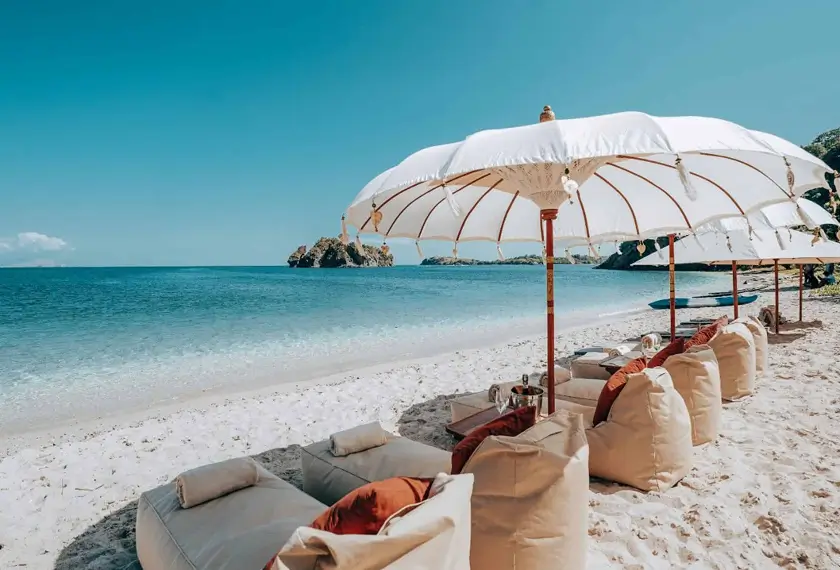
Secluded Beaches: The park boasts some of the most beautiful and unspoiled beaches in Indonesia. Pink Beach, one of the few pink sand beaches in the world, offers a unique and picturesque spot for swimming, snorkeling, and relaxing. The clear waters and soft sands make it an idyllic destination for beach lovers.
Adventure and exploration
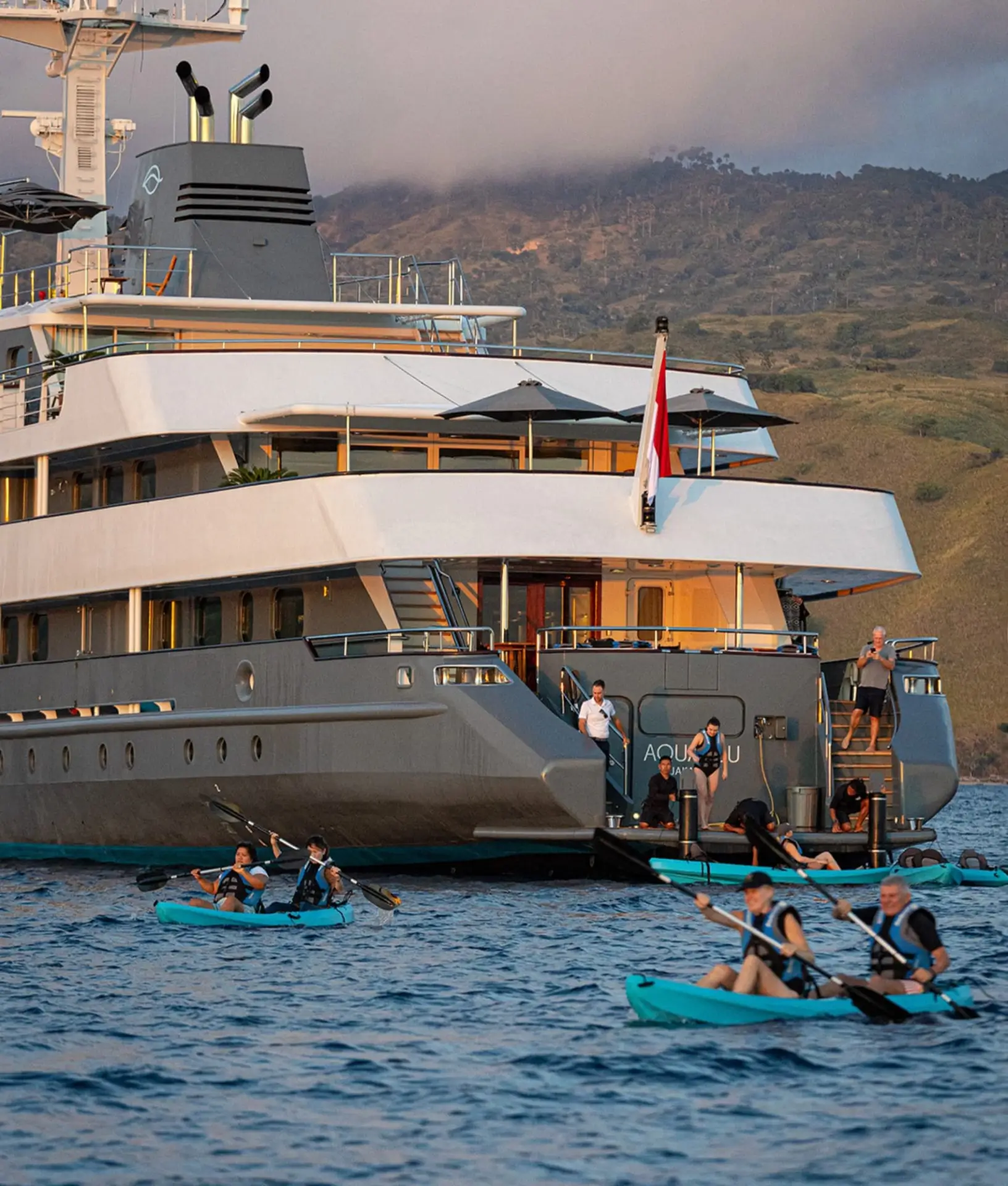
Kayaking and Paddleboarding: Explore the park’s hidden coves and mangrove forests by kayak or paddleboard. This allows for close encounters with marine life and access to secluded areas that are perfect for peaceful exploration.
Hiking and Trekking: The park offers a variety of trekking opportunities, from leisurely walks to challenging hikes. The trails provide stunning views and the chance to see wildlife in their natural | habitat. Guided treks on Komodo and Rinca Islands are popular for spotting Komodo dragons and other wildlife.
Cultural encounters
Local Villages: Engage with the local communities in and around Komodo National Park to gain insights into their traditional way of life. Visits to nearby fishing villages offer cultural enrichment and the opportunity to learn about local customs and crafts.
Tailored sailing experiences
Komodo National Park is best visited from May to October and with The Luxury Voyage, your journey through Komodo National Park is tailored to your preferences and interests. Here are the sample itineraries:
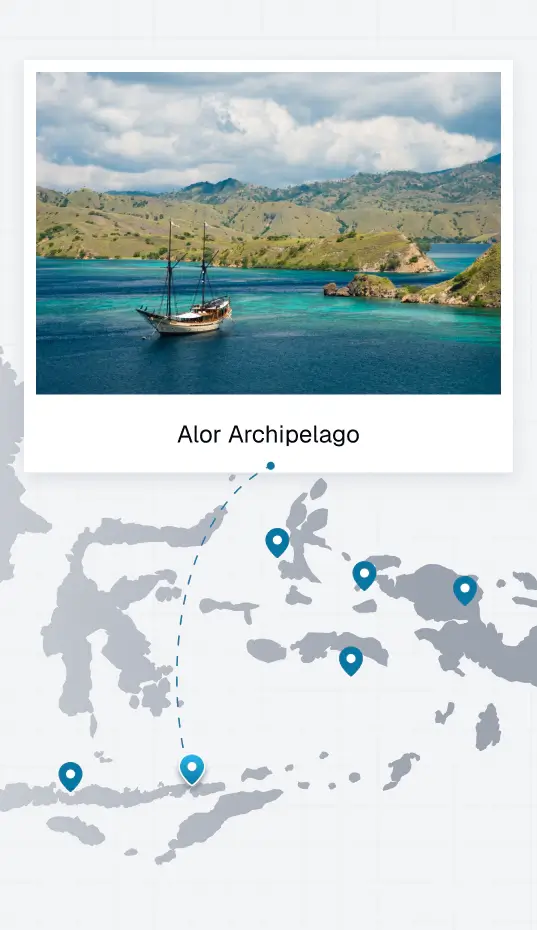
Alor Archipelago: An Uncharted Sailing Paradise
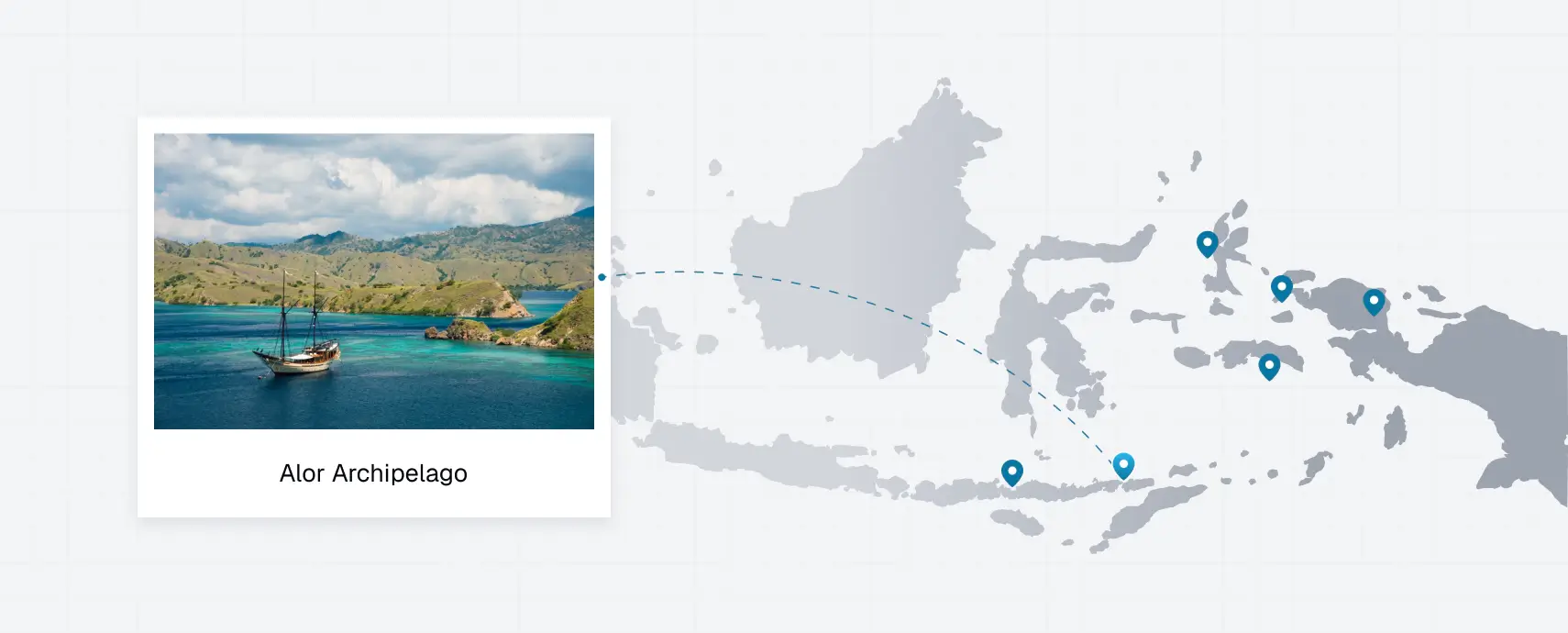
The Alor Archipelago, in eastern Indonesia’s Nusa Tenggara region, is one of the country’s least-charted sailing grounds. Its 20 islands hold some of Indonesia’s richest coral walls, home to hammerhead sharks, mola mola, and pygmy seahorses, alongside indigenous villages that have kept their languages and traditions for centuries. For sailors and divers alike, Alor pairs serious diving with genuine cultural discovery.
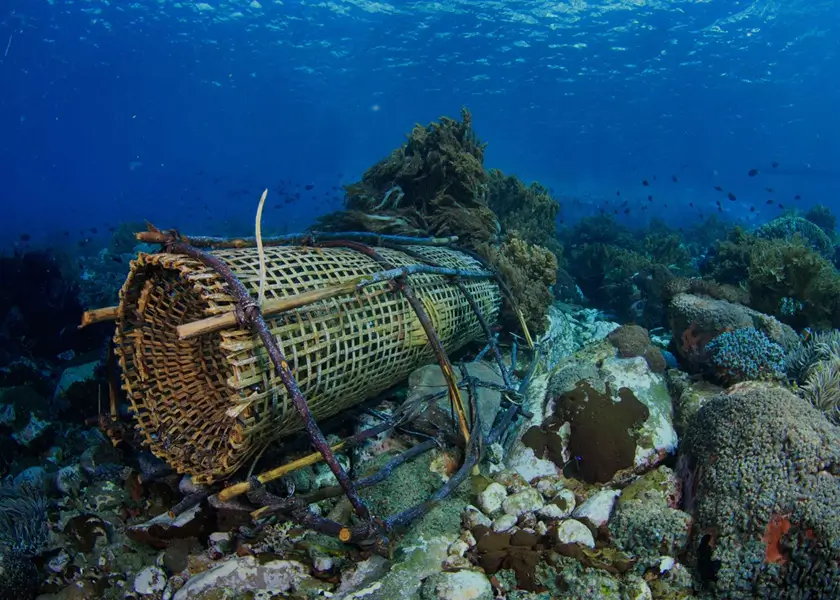
Marine wonderland
Diving and Snorkeling: Alor’s crystal-clear waters and coral reefs rank among Indonesia’s most biodiverse. Dive sites like Kalabahi Bay and Pantar Strait teem with colorful coral gardens, exotic fish, and pelagic species including sharks and rays, in visibility that’s often excellent, making Alor a genuine paradise for underwater enthusiasts.
Underwater Biodiversity: Alor’s waters hold an exceptional range of marine species, from tiny pygmy seahorses and nudibranchs to larger visitors like mola mola and dolphins. Night diving is popular here too, revealing a different side of the reef entirely, when nocturnal creatures emerge that daytime divers rarely see.
Stunning landscapes
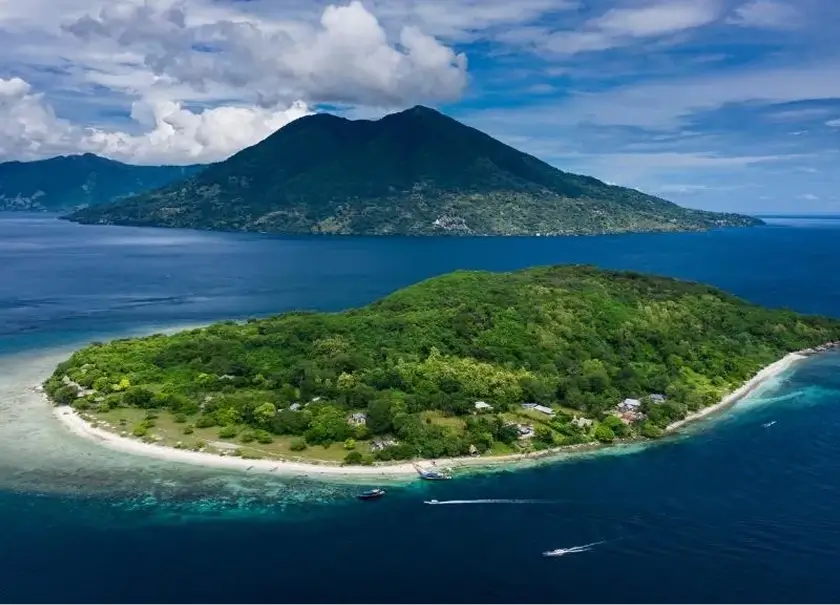
Volcanic Peaks and Lush Forests: Alor’s islands are shaped by dramatic volcanic peaks, dense forests, and pristine beaches, with rugged, untouched terrain that provides a striking backdrop for sailing and exploration.
Scenic Trekking: Alor rewards hikers with lush rainforest trails, volcanic climbs, and hidden waterfalls. The trek to Mount Sirung, an active volcano, is the standout route, rewarding the climb with panoramic views across the archipelago.
Idyllic Beaches: Alor’s beaches are serene and often deserted, with soft white sand and clear blue water suited to sunbathing, swimming, or a quiet picnic. Batu Putih Beach and Maimol Beach are the two most renowned for their beauty.
Cultural richness
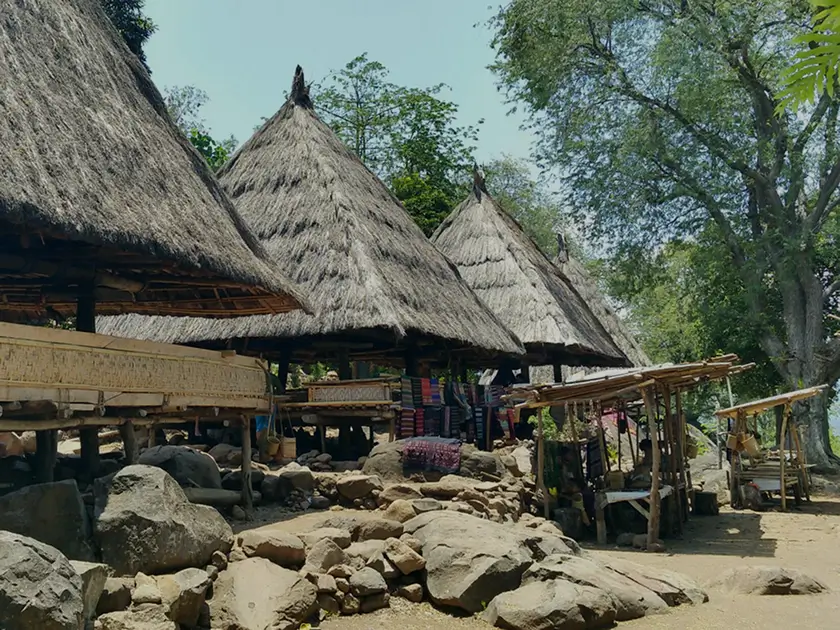
Traditional Villages: Alor is home to a mosaic of cultures, with indigenous communities who have preserved their languages, dances, and customs for centuries. Visiting a village means witnessing age-old ceremonies, joining a weaving workshop, and learning about the intricate ikat textiles Alor is known for.
Warm Hospitality: Alor’s people are known for their warmth, and engaging with local communities makes for a genuinely enriching visit. Share a meal with villagers, listen to their stories, and come away with real insight into a way of life that’s stayed largely unchanged.
Adventure and exploration
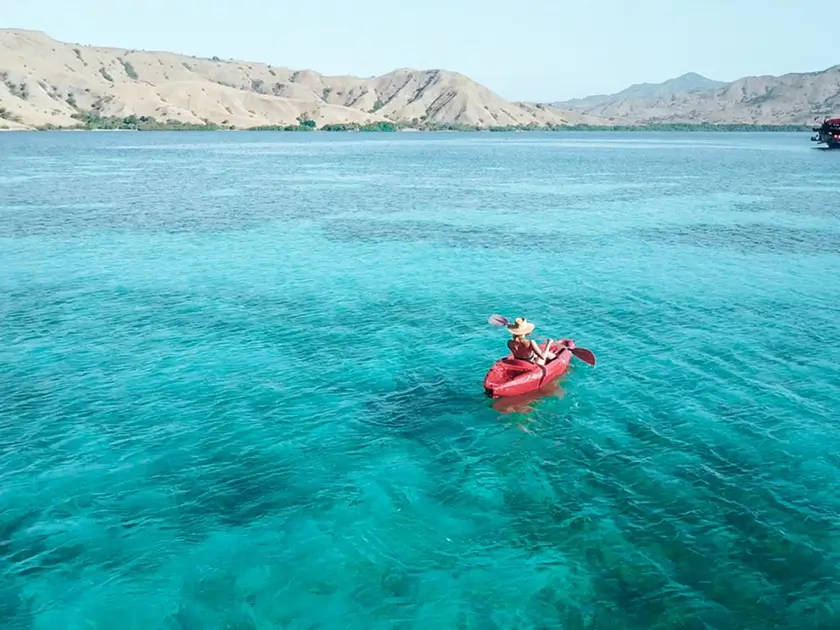
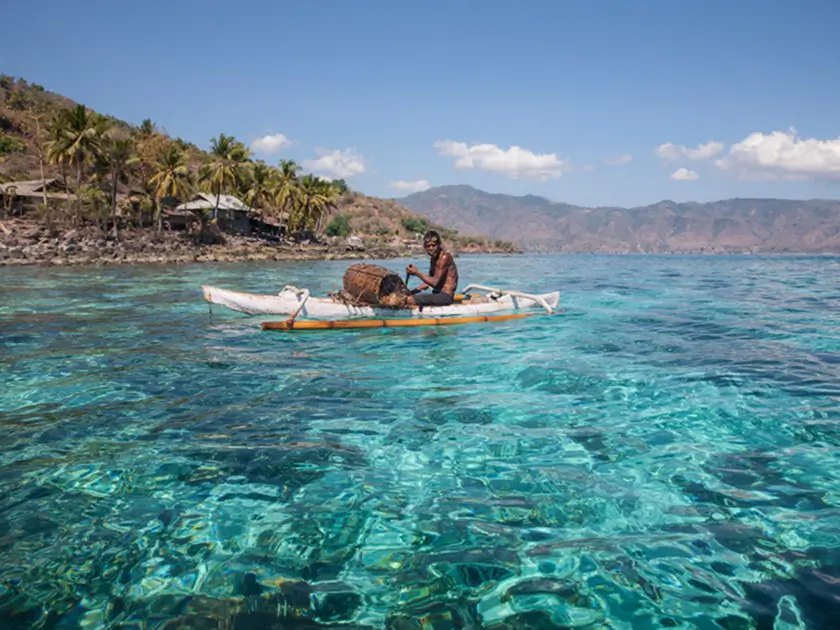
Explore Alor’s calm waters and hidden coves by kayak or paddleboard for close encounters with marine life. Try traditional fishing with local fishermen, or simply sail from island to island, taking in the archipelago’s quiet beauty.
Eco-friendly tourism
Conservation Efforts: Alor’s tourism is built around conservation, with local efforts to protect the islands’ natural environment and support the communities who call them home. Visitors are asked to tread lightly and take part in the sustainable practices that keep Alor this pristine.
Tailored sailing experiences
Alor is best sailed in the shoulder seasons, September to October and April to May. With The Luxury Voyage, your itinerary is tailored to you, whether that's underwater adventure, cultural immersion, or serene relaxation.
Banda Neira: A Historic Sailing Haven
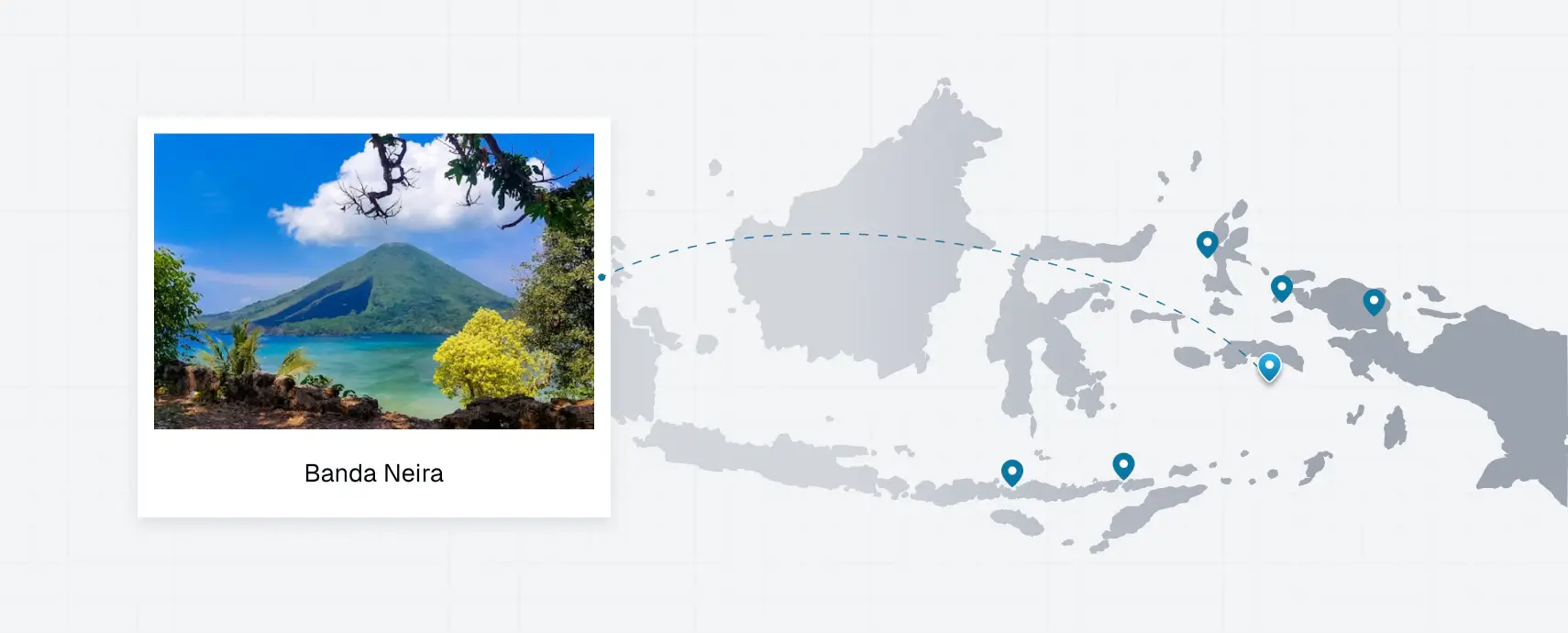
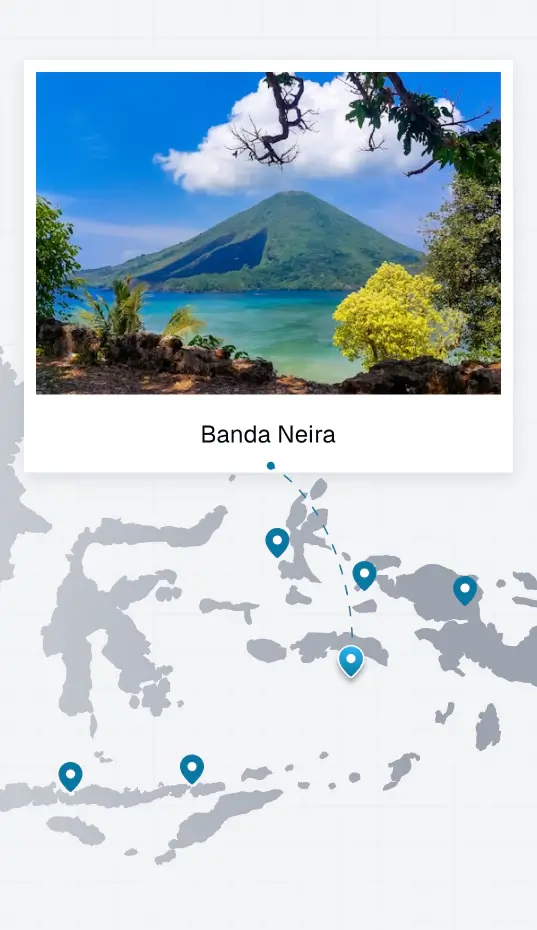
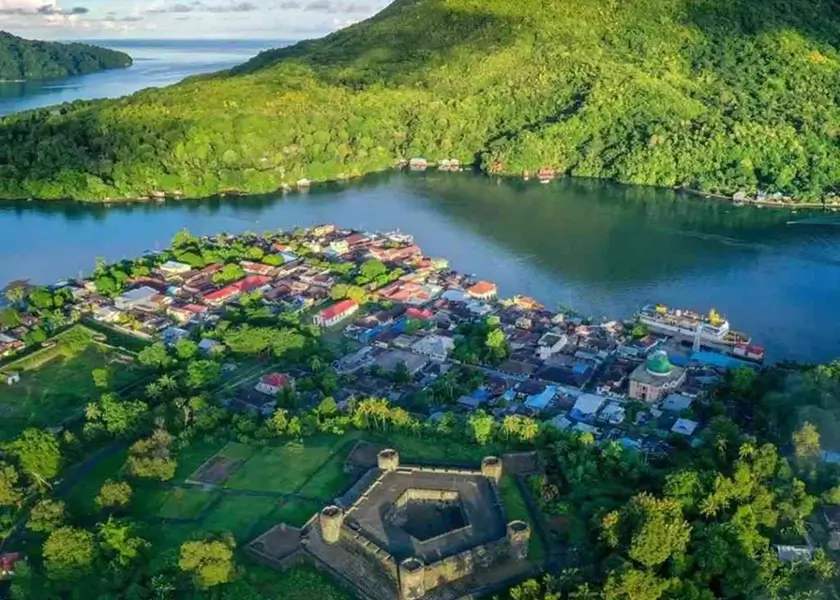
Banda Neira, part of the enchanting Banda Islands in Indonesia’s Maluku province, offers a unique and historically rich sailing experience. Known as the “Spice Islands,” this archipelago combines stunning natural beauty, vibrant marine life, and a captivating history, making it an ideal destination for an unforgettable sailing adventure.
Historical significance
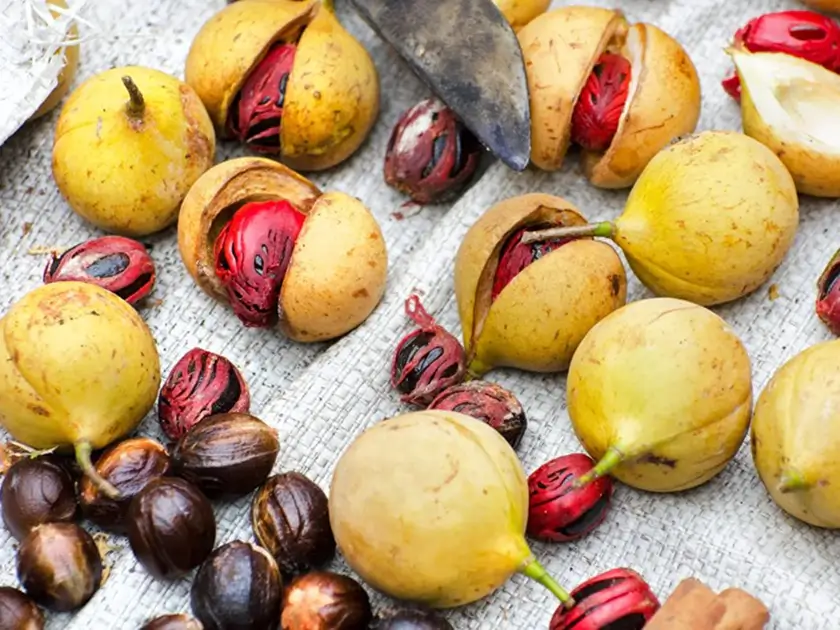
The Spice Islands Legacy: Banda Neira was the original source of nutmeg and mace, spices once worth more than gold. Its colonial history lives on in well-preserved Dutch architecture, including Fort Belgica, a star-shaped fortress with panoramic views, alongside the Banda Museum and Istana Mini Palace.
Cultural Heritage: Banda Neira’s local community shares a unique cultural heritage still very much alive today. Friendly locals welcome visitors to learn their traditions, hear their stories, and see their crafts firsthand.
Pristine marine environment
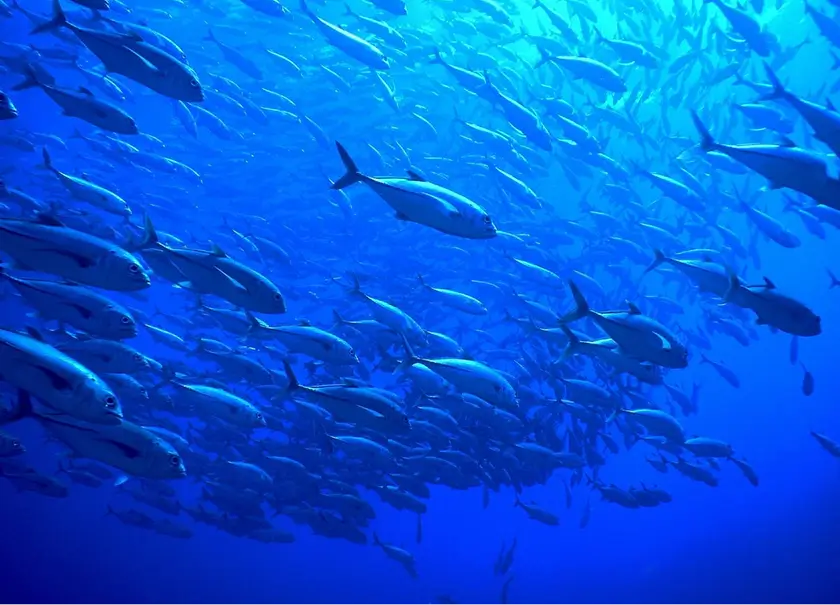
Diving and Snorkeling: Banda Neira’s crystal-clear waters and healthy reefs make for world-class diving. Sites like Batu Kapal and Lava Flow teem with coral gardens, sea turtles, and occasional hammerheads, in visibility that’s often excellent.
Wreck Diving: Banda Neira is also known for its World War II shipwrecks. These underwater relics pair fascinating history with genuine marine exploration, offering a different way to experience the island’s past.
Scenic Landscapes
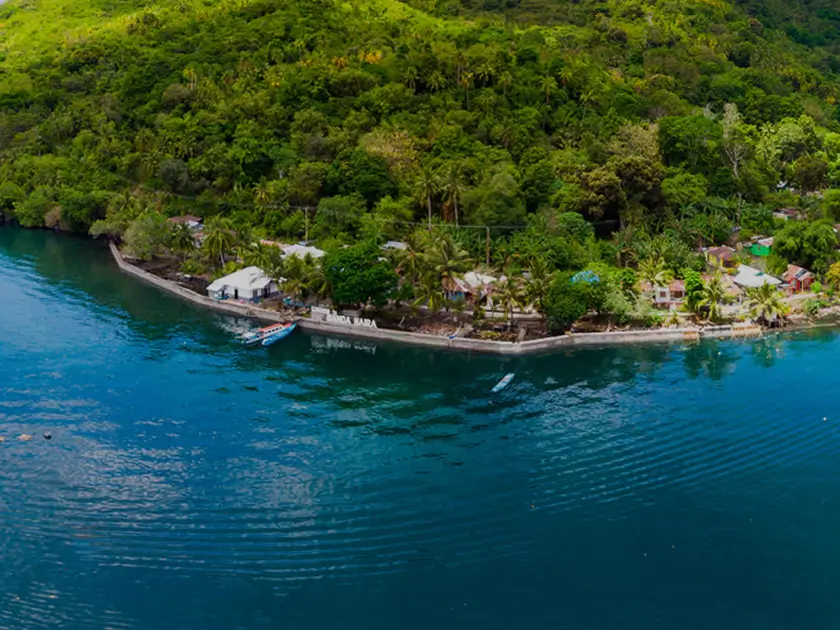
Volcanic Peaks and Lush Vegetation: Banda Neira pairs an active volcano, Gunung Api, with lush green hills and sparkling beaches. The hike to the summit rewards climbers with breathtaking views, while the surrounding spice plantations and tropical gardens create a serene setting.
Idyllic Beaches: The island holds some of Indonesia’s most unspoiled beaches, with soft white sand and clear water suited to swimming, relaxing, or a quiet picnic. Nearby Banda Besar and Ai Island offer equally stunning beaches worth a day trip.
Adventure and exploration
Kayaking and Paddleboarding: Explore Banda Neira’s calm waters and hidden coves by kayak or paddleboard for close encounters with marine life and access to secluded beaches.
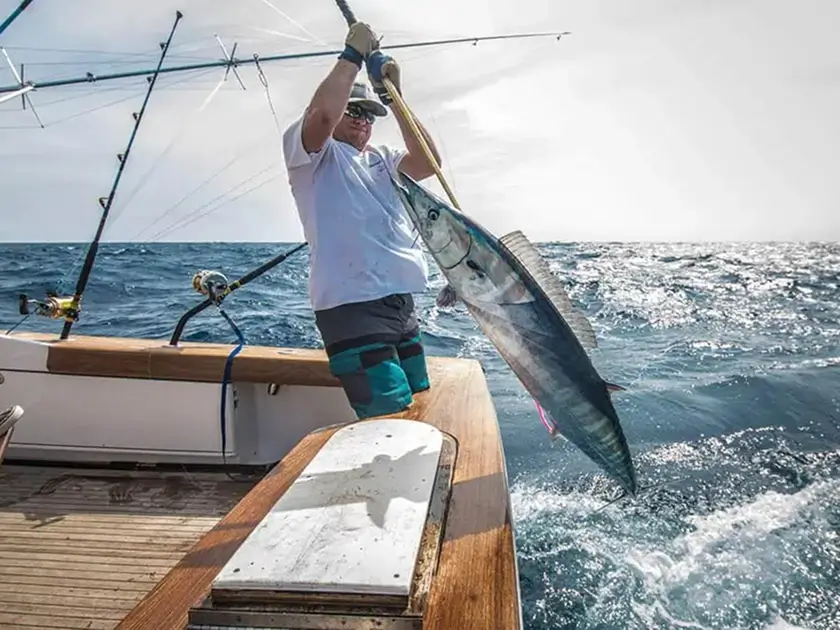
Fishing and Sailing: Try traditional fishing with local fishermen, or simply sail from island to island, taking in the archipelago’s quiet beauty.
Culinary Delights
Spice-Infused Cuisine: Banda Neira’s cuisine blends Indonesian and colonial influences, with fresh seafood spiced by the island’s own nutmeg and mace. Traditional Banda dishes at local eateries offer a genuine taste of this historic spice island.
Tailored sailing experiences
Banda Neira is best sailed in the shoulder seasons, October to November or March to April. With The Luxury Voyage, your visit is tailored to you, whether that's guided historical tours, diving, cultural encounters, or relaxing on pristine beaches.
Raja Ampat: The Heart of The Coral Triangle
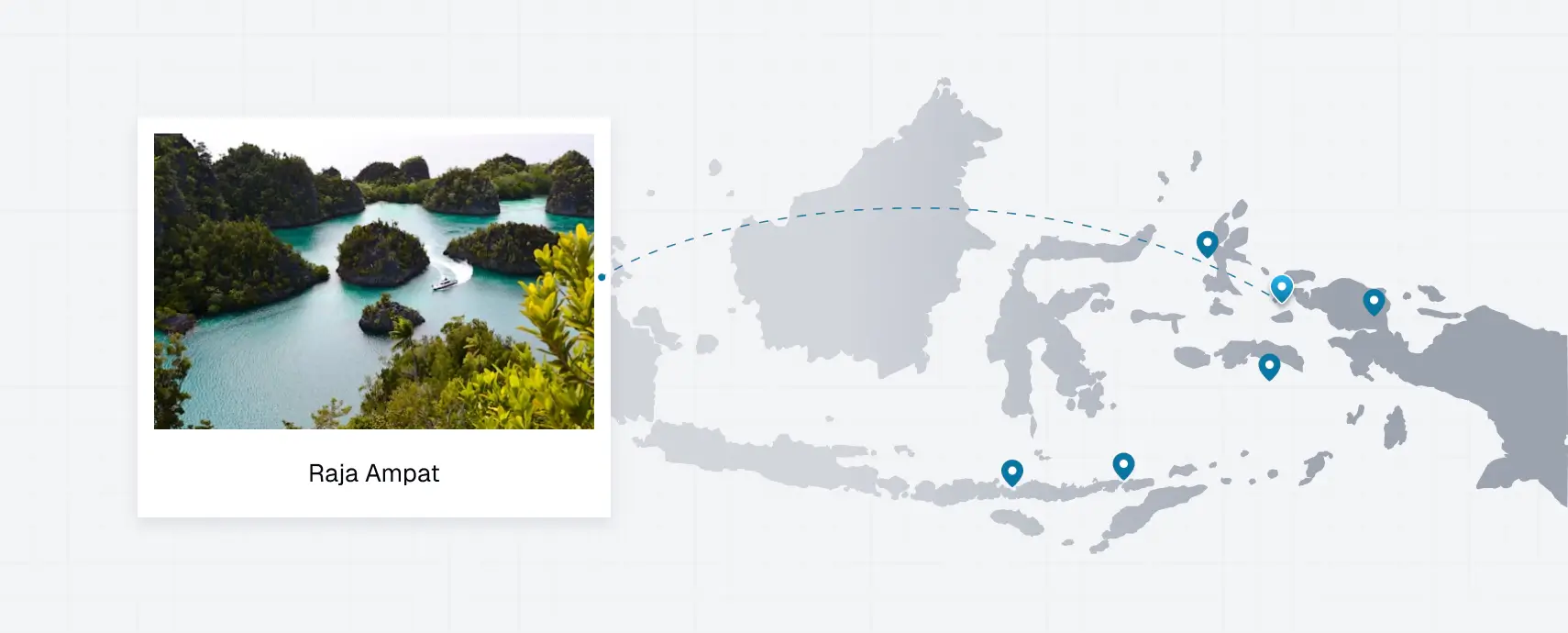
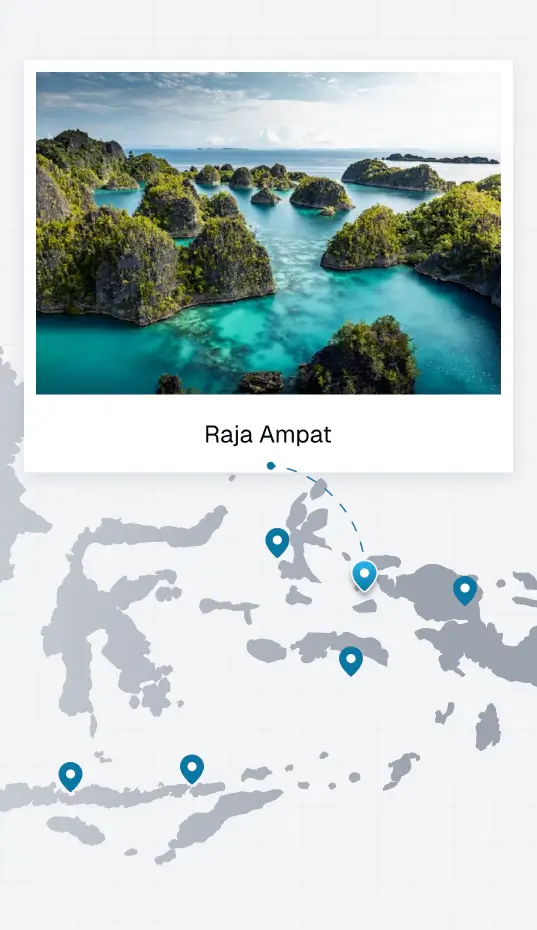
Raja Ampat, off West Papua’s Bird’s Head Peninsula, holds some of the richest marine biodiversity on Earth. Wayag and Misool are its two premier sailing grounds, pairing karst island scenery with world-class diving, cultural stops, and total seclusion.
Wayag
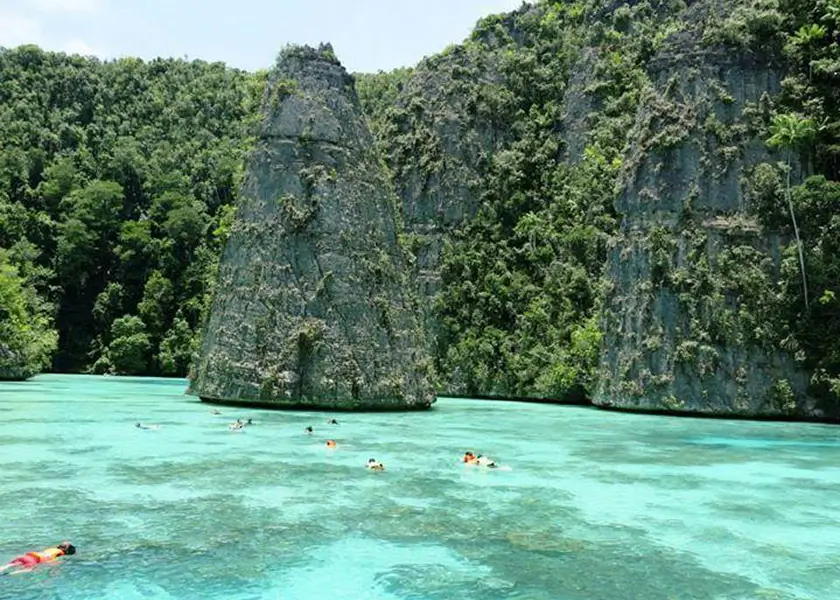
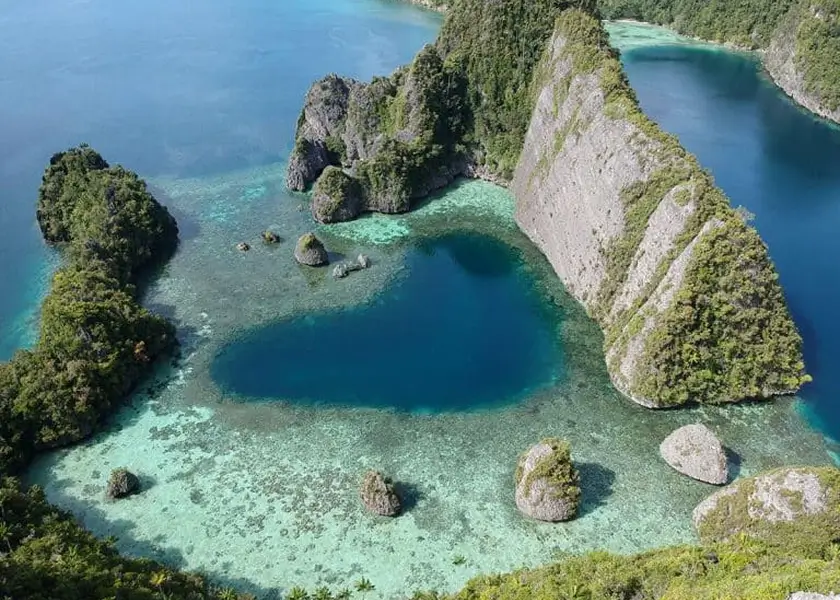
Wayag, Raja Ampat’s crown jewel, is known for its karst island formations and crystal-clear turquoise water, with countless hidden coves and beaches to explore.
Dramatic Landscapes: Wayag’s limestone karst formations create a maze of emerald islets and turquoise lagoons, with a new view revealing itself at every turn while sailing through. No two anchorages here look alike, and many of Wayag’s lagoons remain accessible only by tender or kayak, keeping them just as quiet as they’ve always been.
Spectacular Views: Climbing one of Wayag’s peaks rewards you with panoramic views across the archipelago, the sight of countless limestone islands dotting azure water is one of Raja Ampat’s most iconic and photographed scenes.
Pristine Beaches: Wayag’s secluded beaches offer powdery white sand and calm, clear water, ideal for swimming, picnicking, or simply a quiet retreat.
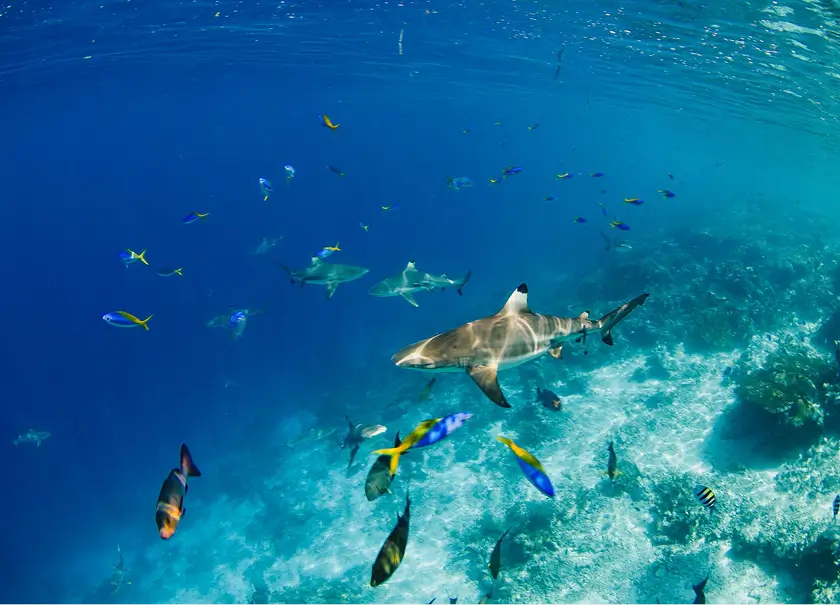
Diving and Snorkeling: Wayag’s reefs teem with reef sharks, manta rays, and colorful reef fish, offering some of the most diverse marine encounters in the region.
When to Sail: Wayag is best visited during Raja Ampat’s calm season, November through April, when the water turns glass flat between anchorages and manta sightings are at their peak from February onward. Early mornings offer the clearest water and the softest light for photographing the karst islands at their best.
Misool
Misool, another jewel of the Raja Ampat archipelago, is known for its rich marine biodiversity, dramatic karst landscapes, and remote, unspoiled character.
Marine Biodiversity: Misool holds some of the richest marine ecosystems in the world, with reefs teeming with life from tiny pygmy seahorses to manta rays. Dive sites like Magic Mountain and Boo Windows are renowned for their underwater diversity.
Diving and Snorkeling: Misool’s crystal-clear waters and excellent visibility make for outstanding diving, with vibrant coral gardens and intricate caves adding to the underwater landscape.
Stunning Seascapes: Misool’s karst formations rise dramatically from the sea, creating a striking contrast against the blue water, while hidden lagoons, bays, and uninhabited islets invite exploration.
Cultural Encounters: Misool is home to indigenous communities who maintain traditional ways of life. Engaging with local villagers adds a genuine cultural dimension to a Misool sailing itinerary.
Eco-Conservation Efforts: Misool leads on marine conservation through the Misool Marine Reserve, established by local conservationists to protect the area’s biodiversity. Visitors are encouraged to take part in the eco-friendly practices that keep it this way.
Tailored sailing experiences
Raja Ampat is best sailed from November to April. With The Luxury Voyage, your journey through Wayag and Misool is tailored to you, whether that's underwater adventure, relaxation on secluded beaches, or immersive cultural experiences.
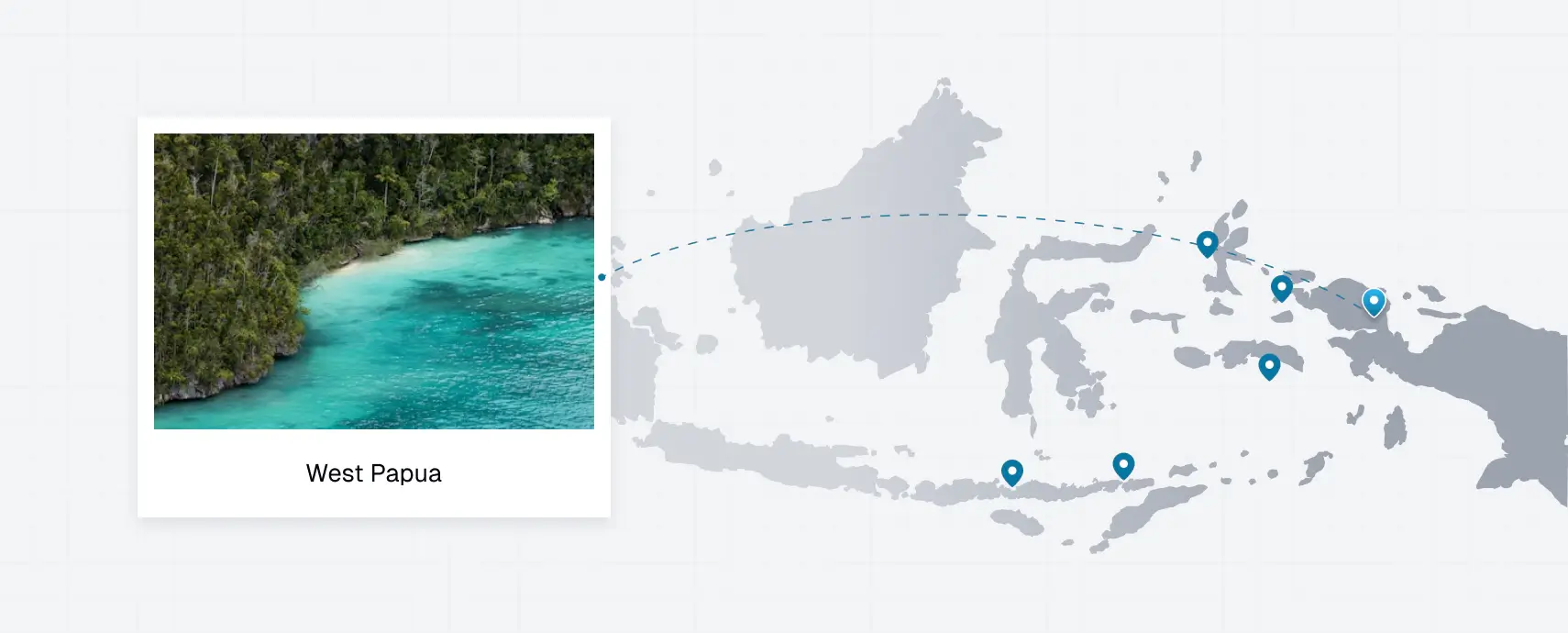
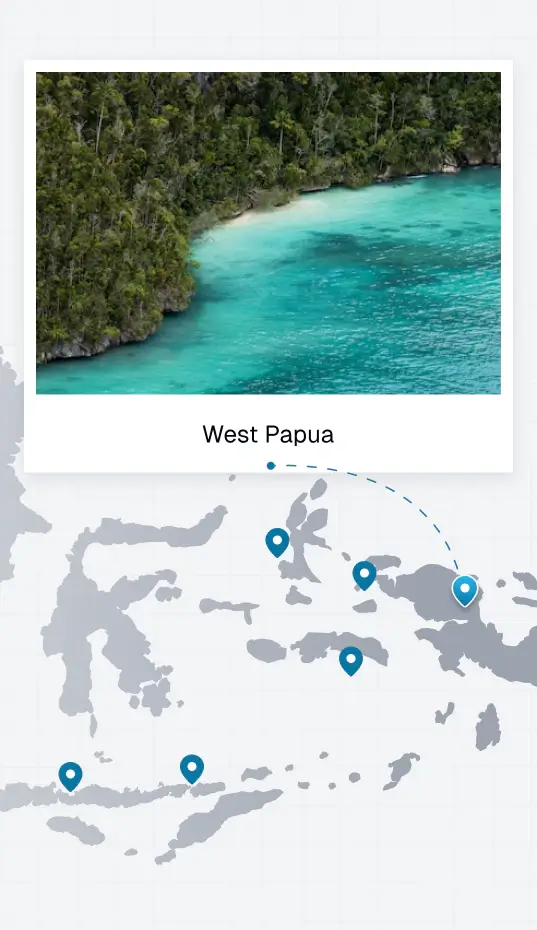
West Papua: Indonesia's Last True Frontier
West Papua offers some of Indonesia’s most remote sailing grounds. Triton Bay and Cenderawasih Bay pair rich marine biodiversity with dramatic landscapes and genuine cultural encounters, for a voyage far removed from the ordinary.
Triton bay
Triton Bay, part of West Papua’s Kaimana Regency, is often called a hidden paradise, with dramatic limestone cliffs, lush forests, and crystal-clear water suited to sailing and exploration.
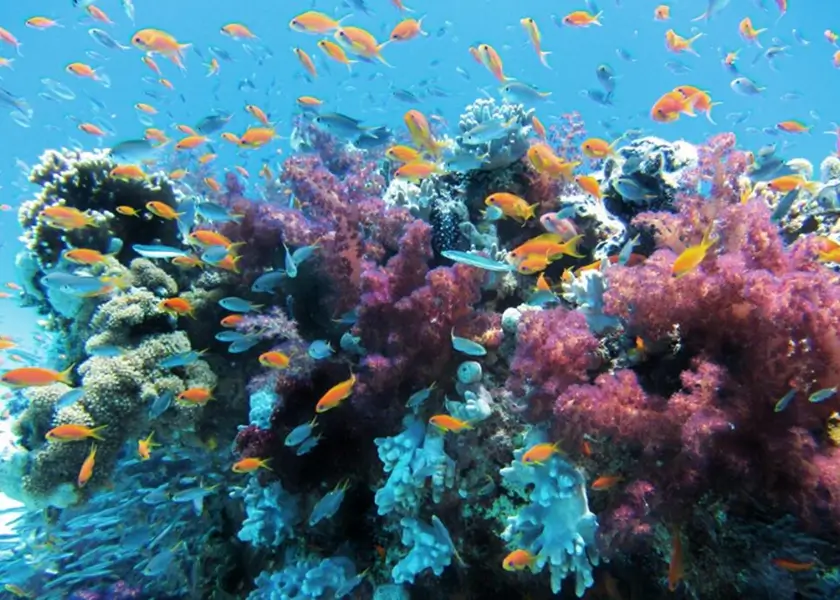
Marine Biodiversity: Triton Bay is a diver’s haven, home to pygmy seahorses, wobbegong sharks, and a variety of colorful reef fish. Dive sites like Little Komodo and Bo’s Rainbow are known for their underwater beauty and biodiversity.
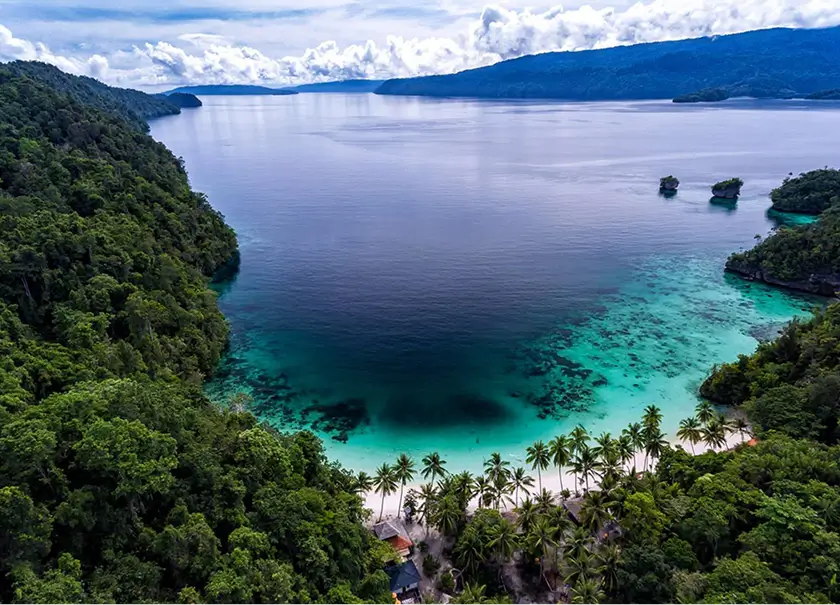
Spectacular Landscapes: Towering karst cliffs covered in tropical vegetation create a dramatic backdrop against the bay’s azure water, with hidden lagoons and secluded beaches offering perfect spots for relaxation and exploration.
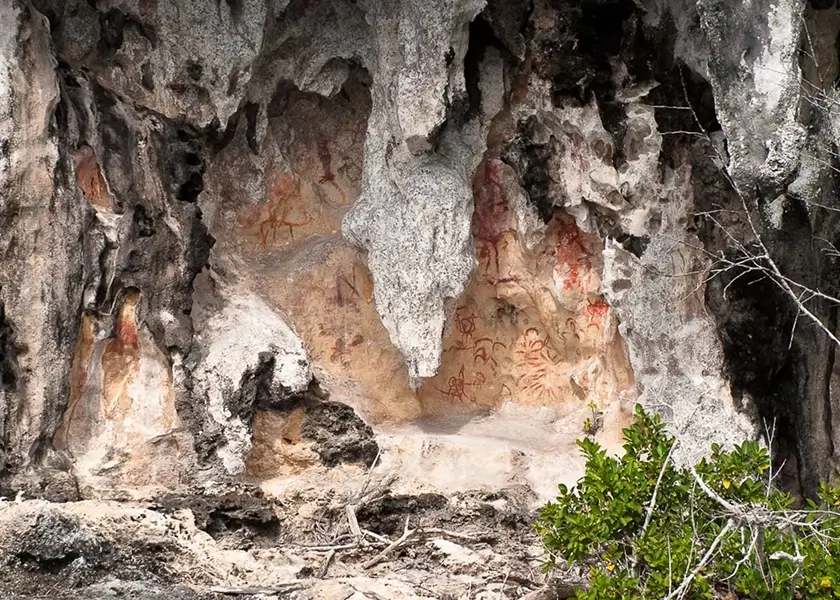
Ancient Rock Art: Triton Bay is also known for its ancient rock art sites, where visitors can see prehistoric paintings on cliff walls, a rare glimpse into the region’s ancient cultures and history.
Cultural Encounters: Engaging with local communities in Triton Bay offers a genuine cultural experience, with friendly villagers eager to share their traditional way of life, customs, and stories.
When to Sail: Triton Bay is best visited during West Papua’s calmer months, typically October to April, when seas are gentler and visibility is at its clearest for diving the reefs around Little Komodo and Bo’s Rainbow. Early morning is also the best time to visit the rock art sites, when the light picks out the ochre pigments most clearly against the cliff face.
Cendrawasih bay
Cenderawasih Bay, northwest of West Papua, encompasses the largest marine national park in Indonesia, a sanctuary for an exceptional range of marine species and a place of real historical significance.
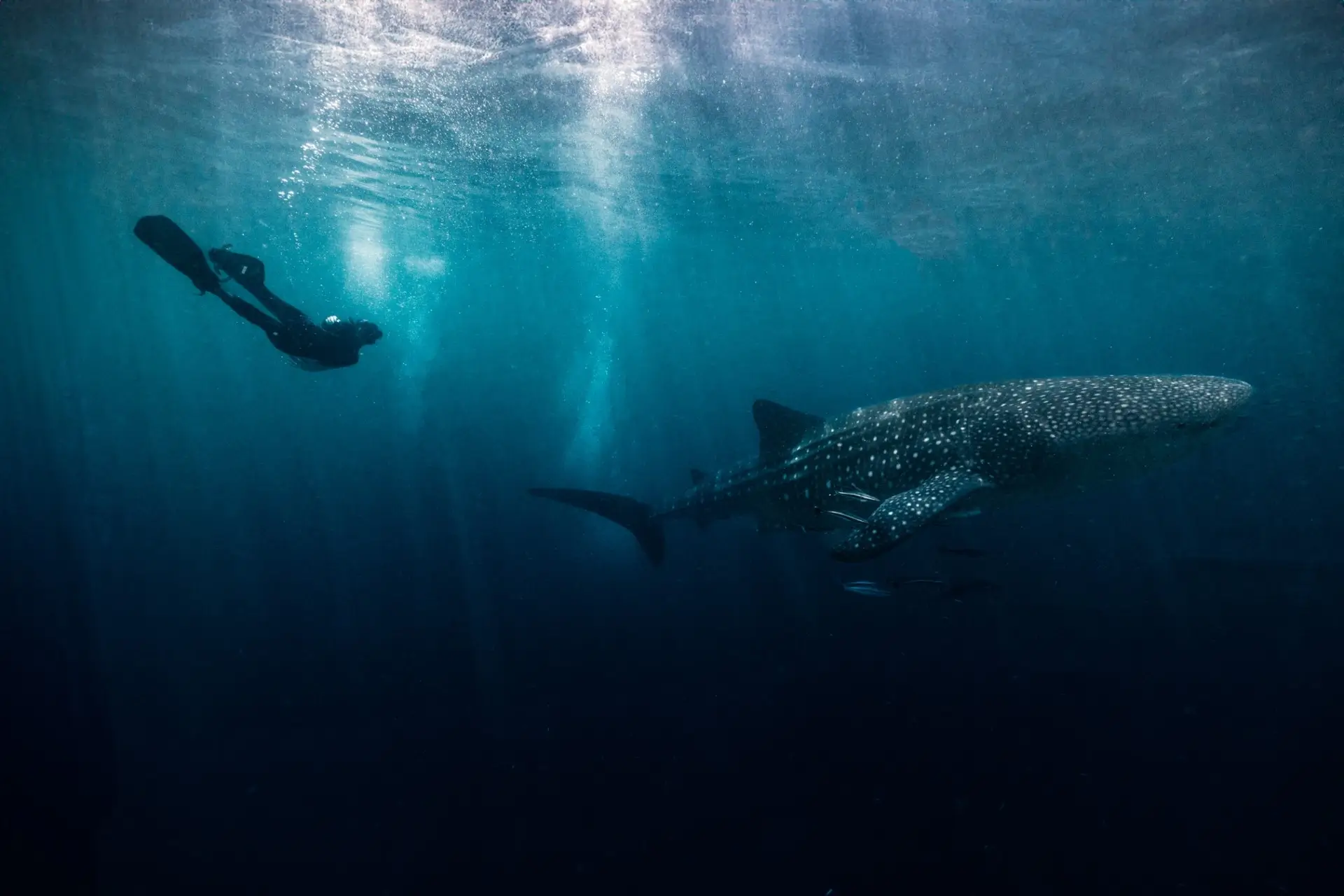
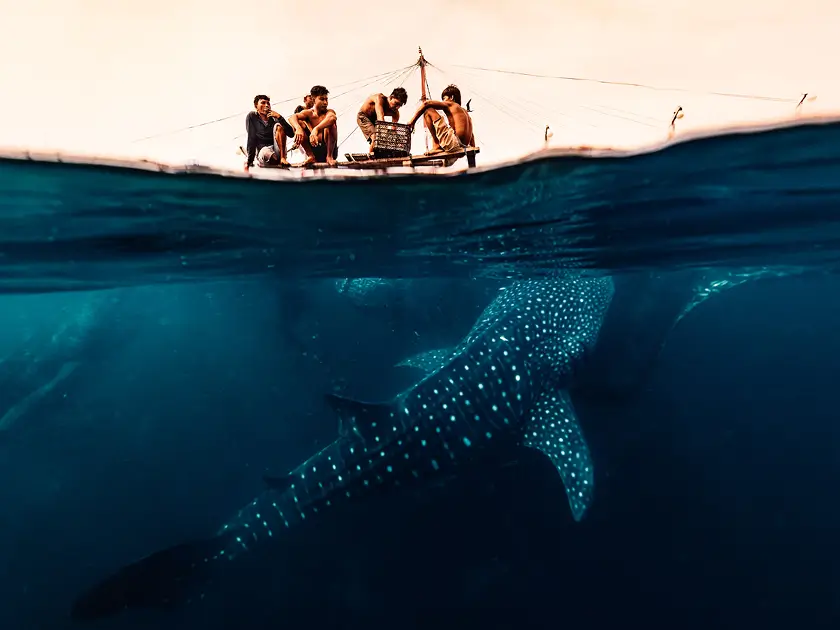
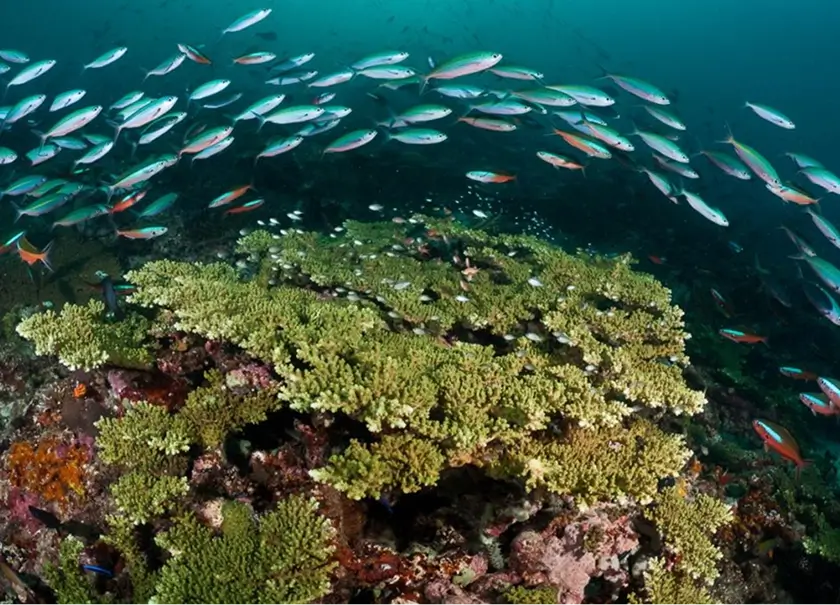
Whale Shark Encounters: Cenderawasih Bay is famous for its resident whale sharks, often seen right near the surface for an unforgettable snorkeling or diving encounter.
Pristine Coral Reefs: The bay’s reefs hold over 500 species of coral and countless fish species, a vibrant kaleidoscope best seen at dive sites like Tanjung Mangguar and Roon Island.
Wreck Diving: Cenderawasih Bay is also known for its World War II shipwrecks, underwater relics that pair fascinating history with genuine marine exploration.
Cultural Heritage: The coastal villages around Cenderawasih Bay carry a rich cultural heritage, with traditional dances, music, and crafts offering real insight into local life and history.
Breathtaking Landscapes: Cenderawasih Bay’s natural beauty extends beyond its water, with surrounding islands and coastline shaped by lush rainforest, pristine beaches, and striking geological formations, a paradise for nature lovers and photographers.
Tailored sailing experiences
West Papua is best sailed from November to April. With us, your journey through Triton Bay and Cenderawasih Bay is tailored to you, whether that's thrilling underwater encounters, serene island exploration, or cultural immersion.
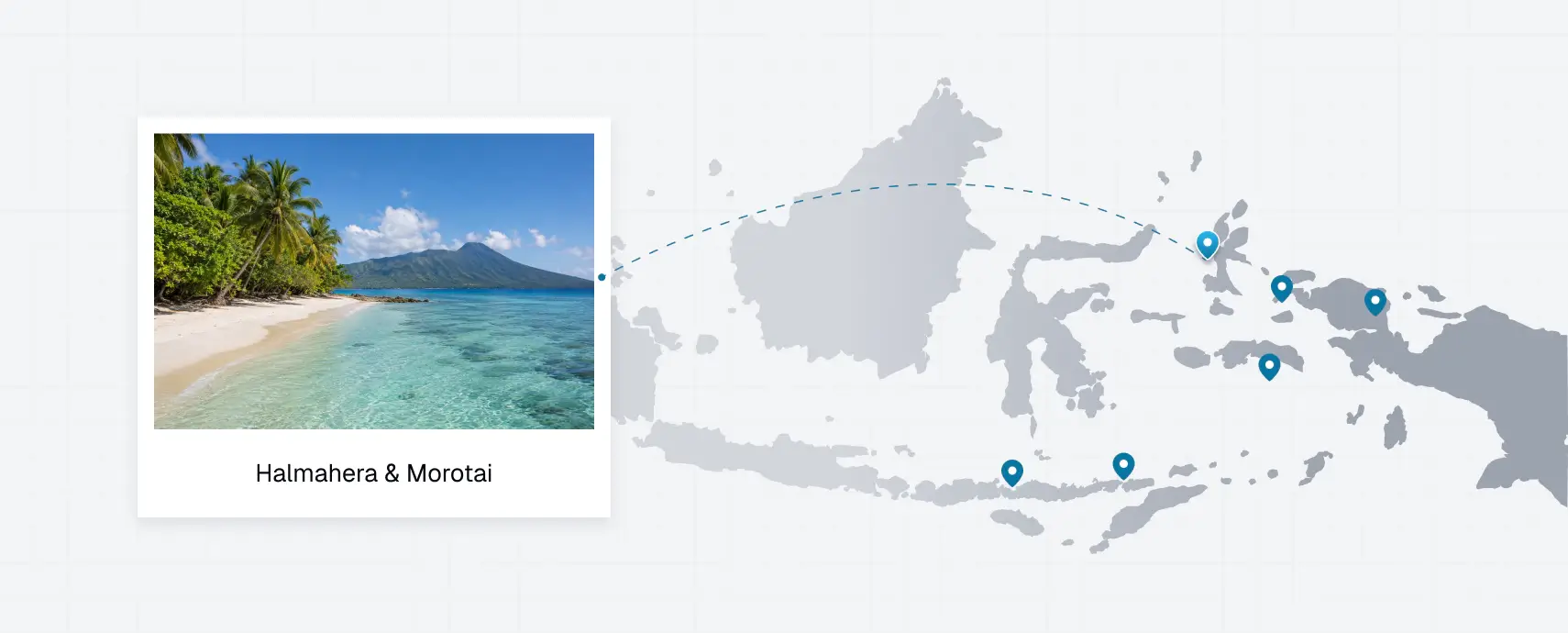
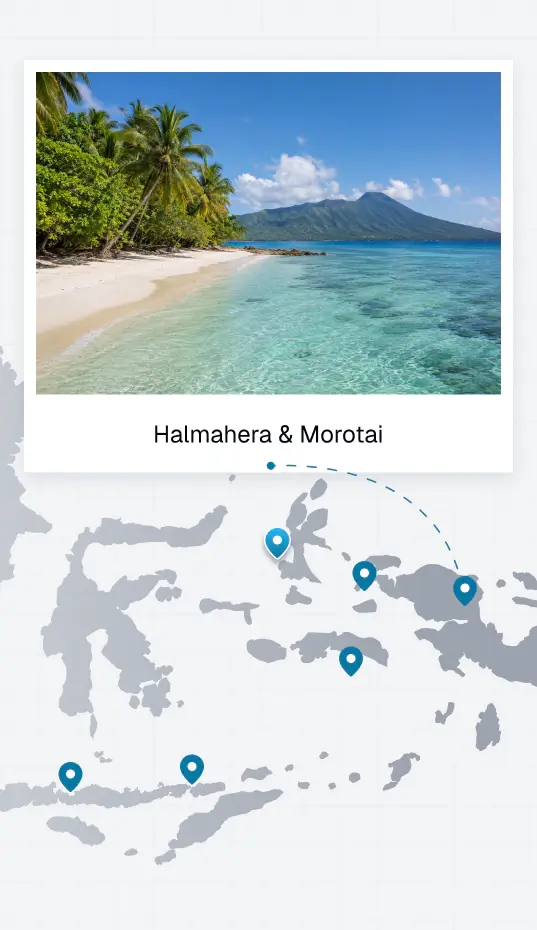
Halmahera and Morotai: the Coral Triangle's last frontier
Halmahera and Morotai, in the remote north of the Maluku Islands, sit at the heart of the Coral Triangle, largely untouched by the crowds that reach Raja Ampat or Komodo. Halmahera brings reef diving and rare wildlife, while Morotai pairs the same clear water with real WWII history still visible above and below the surface.
Halmahera
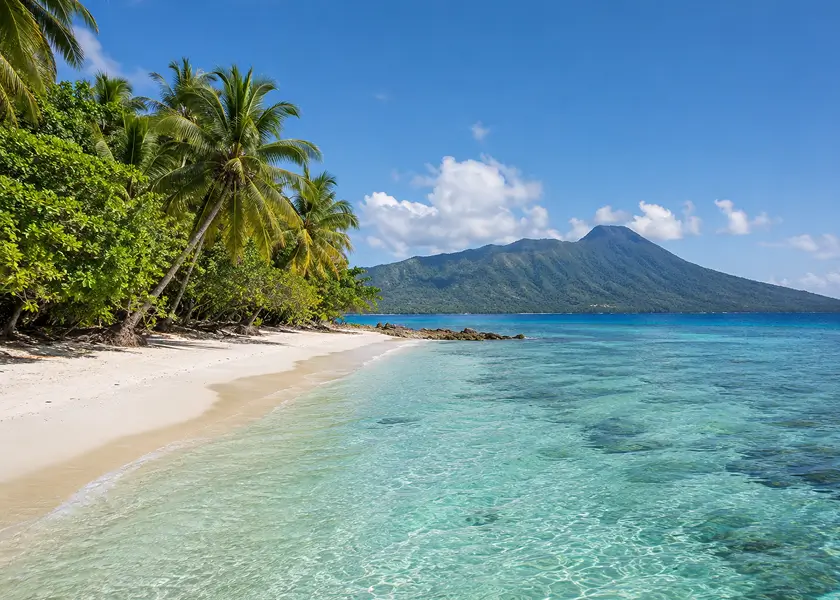
Halmahera’s volcanic coastline and reef systems hold over 450 species of coral, making it one of the richest, least-crowded diving grounds anywhere in Indonesia.
Marine Biodiversity: Halmahera’s reefs teem with hammerhead sharks in deep passes, along with dogtooth tuna, eagle rays, and banded sea snakes on the shallow reef tops. Dive sites like Tifore Island and the Goraici Islands are known for their coral cover and consistent big-fish sightings.
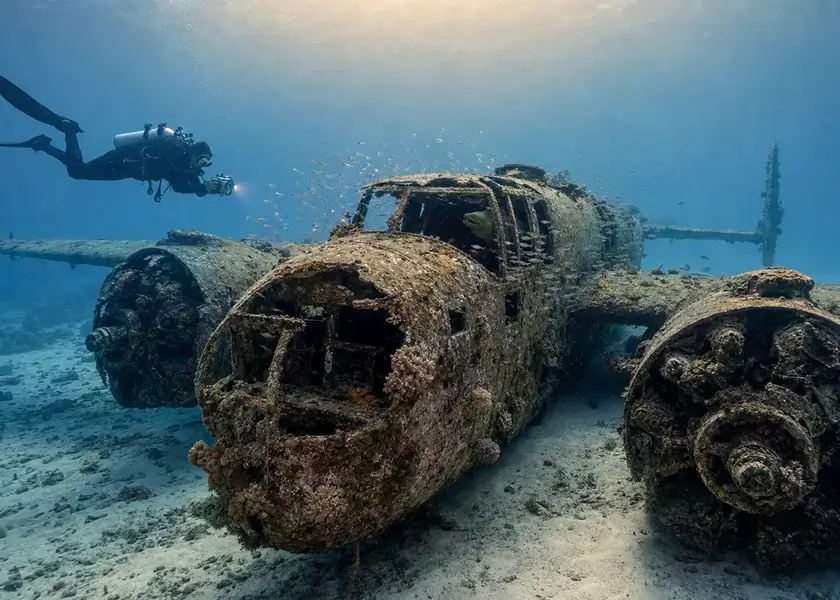
WWII Wrecks: History runs beneath Halmahera’s water too. The half-submerged Japanese wreck Tosimaru sits visible from shore at Kao Bay, while several other wartime wrecks have become artificial reefs, now thick with coral and marine life.
Spice Island Heritage: Ternate and Tidore, Halmahera’s twin volcanic neighbors, carry centuries of sultanate and colonial history, with old forts and traditional markets that once anchored the global spice trade.
Volcanic Landscapes: Halmahera is diveable year round, but visibility peaks between November and April, when currents settle and the reef life is easiest to see clearly.
When to Sail: Halmahera is diveable year round, but visibility peaks between November and April, when currents settle and the reef life is easiest to see clearly.
Morotai
Morotai, Halmahera’s northern neighbor, was General Douglas MacArthur’s Pacific campaign base in 1944, and its wartime past sits alongside some of the region’s best diving and least-touched beaches.
Wreck Diving: Certified divers can explore wrecks including a P-38 Lightning and a Bristol Beaufort at depths of 25 to 40 metres, now artificial reefs supporting thousands of fish.
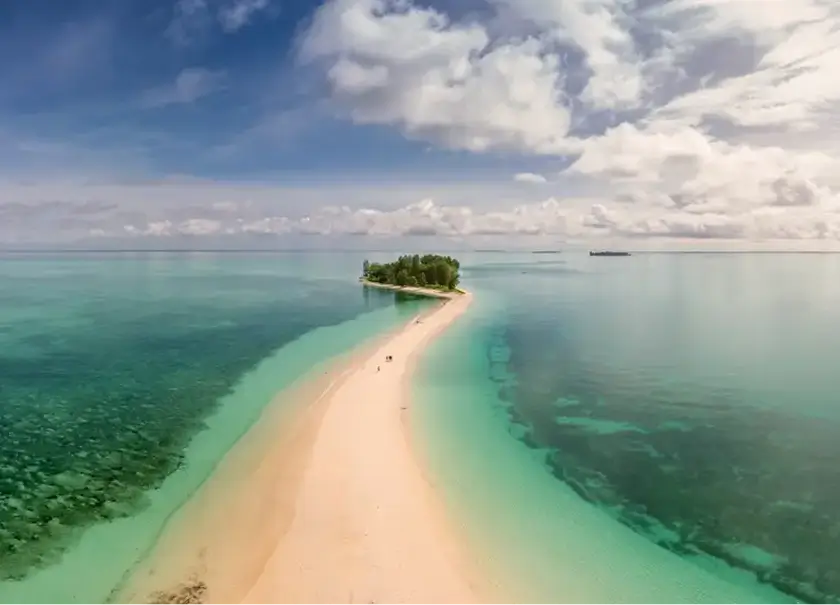
Island Hopping: Dodola Island’s white sandbank connects to the mainland at low tide, making for one of the region’s most photographed walks between two islands.
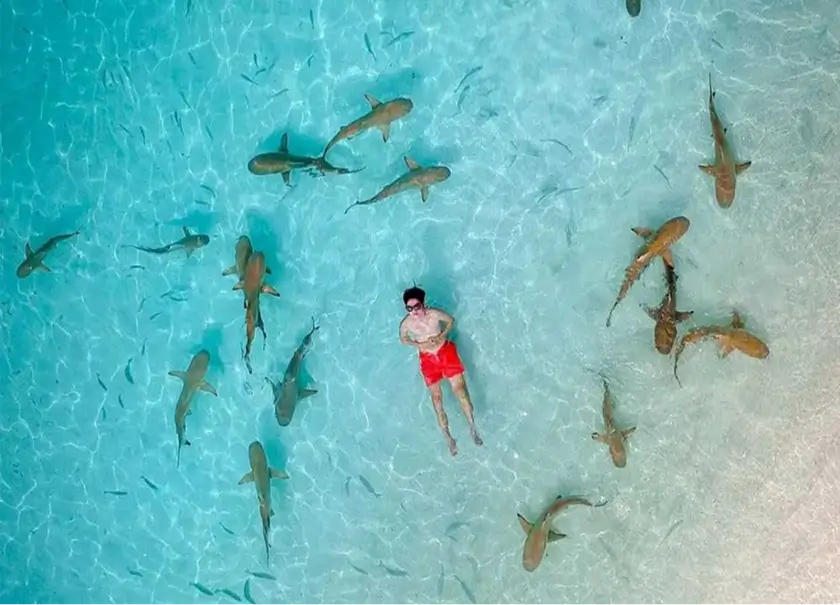
Shark Point: Near Metita Island, divers can encounter blacktip reef sharks in a controlled, shallow setting, an approachable highlight for both new and experienced divers.
Tailored sailing experiences
Halmahera and Morotai are best sailed from November to April. With The Luxury Voyage, your journey through this remote corner of the Coral Triangle is tailored to you, whether that's wreck diving, reef exploration, or WWII history above and below the water.